
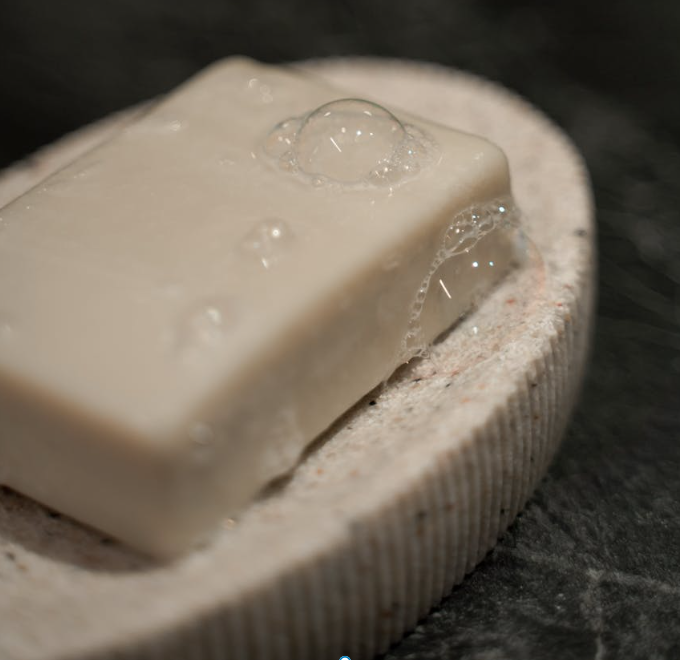
About two years ago, I published an article explaining what a survivalist could use to practice good Hygiene after the SHTF. Running water may not exist, and water could be so scarce or remote that it’s difficult or dangerous to acquire. In this article, I want to delve into how the lack of running water may dictate our bathing practices after the SHTF.
Handwashing vs. Bathing
My father always said that cleanliness is next to godliness. I agree, but what if you don’t have much water and can’t easily get more? You must evaluate the relative importance between handwashing and bathing.
Which do you prioritize in such a situation?
Handwashing!
Bathing is great for overall hygiene and it controls body odor, but bathing isn’t as acutely important to overall health. Now, I’m not saying to never bathe or not wash an area of skin that could be at risk of infection.
Use your fucking brain!
Handwashing is more important because your hands are tools. Regular handwashing helps prevent cross-contamination and will reduce the spread of illness. It’s especially important to wash your hands after using a toilet or before preparing and consuming food.
Handwashing can be done the same way it was done before the fall of civilization. Lather your hands with soap and water, and then rinse the suds away. The only difference is the source of water and how much of it is used.
You may have to resort to using a water bottle. Simply pour a little water to wet your hands, lather them with soap, and rinse with the rest of the water. It may be helpful if someone else holds the bottle while rinsing.
If you aren’t very dirty?
If you aren’t very dirty after working around the house or doing light labor. Maybe you can skip a bath for the day. Just be sure to wash your hands and, if you can, your face.
If water is far away?
What if the supply of water is far from your home or shelter? It could take several trips to fill a bath tub, so it may make sense to share the bath water with other people. Obviously, we want to ensure the entire family has an opportunity to get clean, but there’s a proper order to ensure bathers come out cleaner than they entered… cleanest to dirtiest.
Theoretically, someone doing housework or light labor will not be as dirty as a field worker or someone performing hard labor. The people who aren’t too dirty should bathe first to ensure they remain clean and aren’t contaminated by any dirt scum left behind by filthier family members.
The house worker will clean the bathtub as part of their everyday duties.
Bathe In a River/Lake?
You could skip hauling water home and simply bathe in a body of water, such as a river or lake. People bathe like that in 3rd-world countries. Your country probably will decline to that level after the SHTF, so don’t be squeamish or shy.
Grab some soap and get scrubbing.
Shower?
Showering might be your go-to cleaning method if water is scarce or filling a tub is too difficult. You can even shower using less than 5 gallons of water.
All you need to do is:
- Place a container with a spigot on a platform or secure a container to a heavy-duty hook attached to a pole or tree. The important thing is that it’s above your head, so you can… you know, shower.
- Fill the container with water.
- Attach a showerhead to the spigot. You really don’t need the shower head, but it feels nice and helps conserve water.
- Stand under the spigot and open the valve to wet your body. Close the spigot as soon as you’re wet all over.
- Lather shampoo and soap all over your body and scrub.
- Open the valve again and rinse, but only after you are finished scrubbing.
- Dry with a towel.
If done properly, it’s possible to have enough water for another person to shower without refilling the container. This can be done with as little as 5 gallons! It only takes practice.
If water is scarce… Period.
What if you live in a desert or are worried your water is contaminated by chemical or radioactive agents? In such a situation, it may be necessary to take a sponge bath.
- Fill a small container with water from a clean source, or as clean as possible.
- Mix in liquid soap.
- Dip a rag into the container and start scrubbing your body. It’s best to start from the top-down to reduce waste and ensure the most important parts of your body get as clean as possible. Remember to re-wet the rag as you move from one part of the body to the next.
- Rinse any suds off with another rag or dry/wipe the suds off with a towel.
- Air-dry or use a towel.
What if you don’t have liquid soap or prefer using bar soap?
Apply soap to the wet rag and scrub. This isn’t rocket science!
Nuclear Fallout?!
Well, maybe it is rocket science if ICBMs start flying. Let’s assume you were far enough away and survived the blast. If you were outside and/or downwind to the affected area, you almost certainly are contaminated with radioactive fallout.
You must get clean as soon as possible.
DO NOT take a bath. A bath in this situation is like sitting in a radioactive soup. It also increases the chances of contaminated material entering your body.
Each contaminated person must shower. But, shower correctly.
- Strip naked at the entrance of your home or shelter, and put ALL exposed clothing and shoes in a plastic bag.
- Seal the bag and throw it outside. It’s best to consider these clothes gone forever.
- Go directly to the shower and wash. DO NOT touch anything on your way to the bathroom. It may be a good idea to shower at the same time as someone else (like children). Doing so reduces the chance of the shelter becoming contaminated while they wait their turn. It also helps to conserve water.
- Clean your entire body with a bar of soap. DO NOT use soap with oil or moisturizer added to it, or hair conditioner. Heck, don’t use all-in-one bodywash either. The moisturizers make it easier for radioactive particles to absorb into the skin. DON’T even use a loofa, as that could scratch the skin and allow radiation to enter.
- Dry off with a towel.
- Seal that towel into another bag and toss it. Be sure to seal away any rags used while cleaning.
- If you have enough water, take another shower. A second shower will ensure you get as much radioactive material off your body as possible. Again, don’t use anything with moisturizer.
- Dry yourself with a different towel. It may not be necessary to toss this towel, but it’s better safe than sorry.
- DO NOT use lotion or other moisturizers after the shower.
A few things to keep in mind are:
- If you have running water, showering with tap water should be considered safe in this situation.
- Bathing with surface water should be relatively safe too, since large bodies of water should dilute radioactive contaminants. Notice how I said “relatively safe?” It’s safer to use surface water than not washing at all.
- It’s best to shelter in place naked if you don’t have spare clothing. If you must reuse contaminated clothes, it’s best to wait as long as possible before handling them. Radiation has a half-life and the dosage of rads will dramatically decrease after a few days or a week, but won’t be completely decayed.
 Edwords wOrcs
Pingback: Toilet Use After the SHTF – Edwords wOrcs