
In a previous article, Post-SHTF: Charity is Investing, I describe how charity, for the sake of displaying good morals, isn’t a useful survival skill after the SHTF. Survivalists can’t afford to waste resources and should think of charity more as an investment into relationships that may pay off in the future.
Similarly, some survivalists will be forced to make hard decisions when it comes to dealing with the elderly, crippled, or mentally incapacitated persons (previously known as mentally “retarded”).
Please, calm your titties!
I’m not saying you should take grandma or your “special” cousin out behind the shed.
Instead, you should consider how those people can be utilized before doing anything drastic, so they aren’t a complete drain on your resources. But how?!
How can these people be useful?
Physically Handicapped
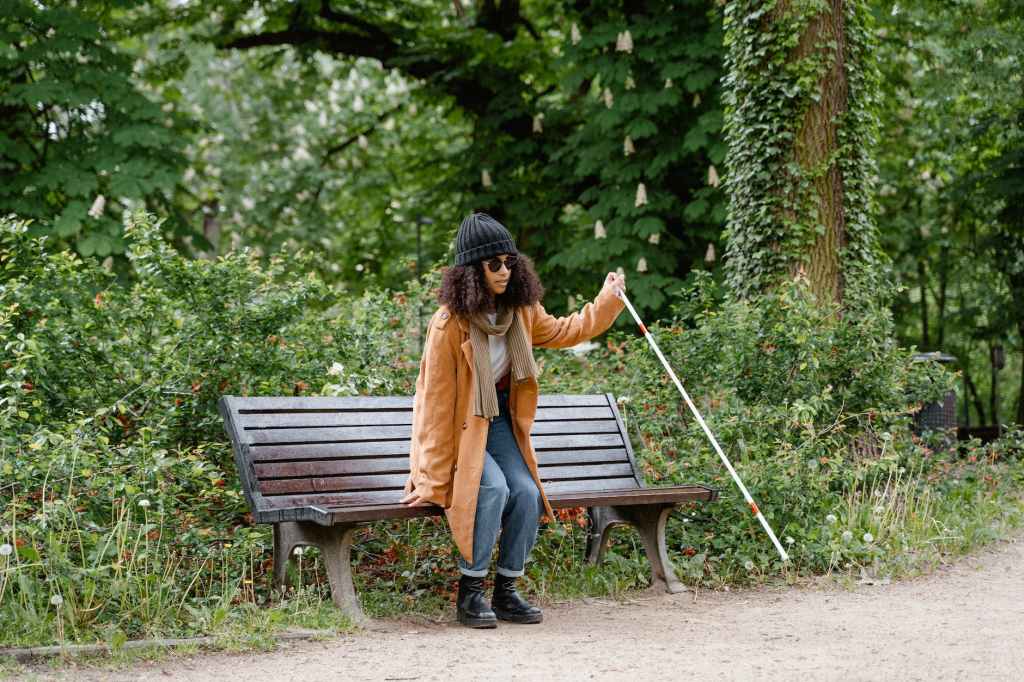
People with physical handicaps can still contribute to the community. Many such people have useful skills and can pull their weight by practicing a specialized trade (medical, mechanic, communications expert, etc.). Even if they aren’t ambulatory, they can still perform tasks that will free up able-bodied workers for other jobs. Most should be able to do the following: house work, watch for intruders, monitor inventory of supplies, and babysit or teach children essential skills.
Handicapped people can be easy targets for criminals in today’s society, and it will be worse after the SHTF. Some disabled people have proactively learned how to defend themselves and could be valuable defenders of the community.
Chronic Illnesses
It’s possible to treat some conditions with natural remedies after the SHTF, which may extend the life of someone with a chronic illness or alleviate the symptoms[1],[2]. BUT, you need to be cognizant of the fact that anyone with a chronic, life-threatening condition may not make it. When medication(s) run out or they lose access to specialized equipment (like dialysis), their health will deteriorate to the point they won’t be able to function and death will soon follow.
People with chronic illnesses should be able to function at the same level they did before the SHTF. Most can do the same exact things a perfectly healthy person can, and should be able to contribute to the community until they succumb to the condition.
A wise survivalist will speak with those known to suffer from chronic conditions to assess treatment options, or plan how the person can die gracefully. Even after a chronically ill patient deteriorates to the point of being completely dependent on others, they can still serve a small purpose. For example, parents can keep the idle hands of teenagers busy by tasking them with providing hospice care.
The Elderly
Most elderly people have some mobility and are able to do light work such as: cooking, cleaning, laundry, fishing, and maybe some gardening. Some may not be very mobile, but they can still watch for intruders, babysit, or teach children essential skills.
Alzheimer’s or General Dementia
Unfortunately, some elderly people may have Alzheimer’s, or will develop some form of progressive dementia after the SHTF. Mid to late-stage patients need to be monitored at all times, but they can do simple things like folding clothes and other light housework (but no cooking). Caring for such a person can be a full-time job, which could be done by teenagers.
A survivalist with a family member suffering from dementia will need to evaluate that person’s general utility, and maybe make some hard decisions to ensure the survival of the family.
Real-Life Example
When Hurricane Rita knocked out power to the nursing home I once worked at, I had to get creative with how I occupied the Alzheimer’s patients. They wondered the halls and would try opening doors, which just hours prior were secured with electronic locks. I made sure the sedentary patients were comfortable, and had the “wanderers” work with me. We folded clothes, changed bed linens, and they took turns sweeping floors.
I had to handle a few messes due to incontinence, which requires privacy, so I told the team of wonderers that it was Christmas and I wanted them to sing Christmas carols outside the door while I helped their friend get ready. This gave me some time to handle the situation, whilst ensuring the patients didn’t wonder off.
What I did pushed the threshold of standard medical ethics of the time, but it worked to keep the patients safe during an extreme situation. And that’s what matters most.
From Mentally Challenged to Incapacitated
Living with people who have mental disorders can be difficult. Their symptoms may range from high-functional, difficult, and totally dependent on a guardian.
High-Functional
High-functional persons tend to be capable of doing most things a normal person can. They can live normal lives, but may be a bit socially awkward and will not fit in well with the community. Some may be more sensitive to criticism, or take things too personally and will probably need moral support or positive encouragement to get over what’s bothering them.
Difficult
Oftentimes, a mentally incapacitated person will have complications that make them “difficult” to rely on. Such people will need to be assigned certain tasks that match their abilities. They tend to do well with following specific instructions or performing repetitive tasks. Most can do general housework, cook, and do laundry. They may be able to do some complex and repetitive tasks under general supervision. They can be great gofers around the farm or in a utility shop. Some can serve as couriers, if they know exactly how to reach the destination and return.
You probably don’t want to rely on someone with major cognitive disabilities to do anything complex, or deal with something as frustrating and agile as children. Some kids may be able to outsmart their babysitter and enable them to cause mischief. Also, children can be mean to those with mental disabilities, which is stressful for the person.
Assigning guard duty to a person with a mental handicap might not be a good idea either. Many people with impaired cognitive function can be easily distracted and may wonder away from their guard post, or be prone to daydreaming. Under these circumstances, they may not notice an intruder until it’s too late. Or, they could cause panic by sounding an alarm… just because it’s a fun toy.
Dependent
Someone who is so mentally incapacitated they are completely dependent on others, is akin to an elderly person with dementia. This will be a hard choice some survivalists will face. Such a person may be more like a pet, or something that provides joy, entertainment, or busy work.
You could possibly keep children and teens occupied by taking care of such a person, but you can’t really do much with them.
Deranged?
Some people may be high-functional physically, but deranged or psychotic. Such a person is usually able-bodied, but too dangerous to trust with the safety of the rest of the family. A survivalist will need to decide if such a person is mentally stable enough to keep around, or tell them to move out to another part of the property… or out of your family’s life.
Bugging Out with a Handicapped Person
The majority of this article assumes you are “bugging-in” or are already at your bugout location. Some of you will be caught in a situation requiring evacuation, so let’s consider how you’ll transport a handicapped person to safety when the SHTF. You might need to think outside the box to find transportation, or reassess if bugging-out is really the best option for your family.
Car
Hopefully your car still works and has plenty of fuel, because that’s the easiest way to evacuate your family.
Bicycle
How the hell do I expect you to transport a handicapped person on a bike?!
I’ve seen teenagers tow their friends around in baby/pet carriers in city parks. If those carriers can easily handle a 175-pound teen without breaking, they should be able to accommodate a handicapped person. Also, fill any unused space in the carrier with supplies to increase your carrying capacity.
Walk
You may have to walk to your new home and push the disabled person in a wheelchair. Most wheelchairs are durable and can accommodate heavy loads, so use that to your advantage. Strap a backpack to the back of the wheelchair and load bagged items onto the handlebars. While you’re at it, have the handicapped person carry stuff on their lap too.
You’re the motor powering this trip, so make it easier on yourself.
Last Resort
Those with severe physical disabilities may not be able to travel without specialized equipment, which could be impossible to find or use after the SHTF. A survivalist facing this situation will have to decide how to best ensure the family, as a whole, will survive. You may need to reconsider bugging out, and bug-in instead.
It’s possible the only viable option is to leave someone behind. Leave a caretaker… or- [clears throat] leave the dead weight[3],[4].
Let’s hope you’ll never have to face such a dilemma.
***
Resources will be scarce after the SHTF and shouldn’t be wasted. This goes for food, water, and equipment, but most especially for human resources. It’s important to assess the skills of disabled members of the family or community so they won’t be a burden. They may not be as able-bodied as the average person, but they aren’t useless.
Hell, some are probably more useful than the average spoiled teenager.
[1] Alternative Medicine: If you or a loved one is suffering from a chronic medical condition, it’s your responsibility to research herbal or other alternative remedies before the SHTF.
[2] Medical Disclaimer: The author of this article is not a doctor or any type of medical professional. The information presented is for educational and informational purposes only, and does not constitute any professional medical advice, diagnosis, or treatment.
[3] Dead Weight: I intentionally used the term “dead weight” because, making someone seem less human is the best psychological method of performing an act which would be morally reprehensible. It also helps to cope with that decision later.
[4] Crime/Violence Disclaimer: The author does not condone violence or breaking any laws. The intention of this article is to educate readers on how to improve personal survivability during a theoretical disaster, and does not promote or entice anyone to commit any crime under ordinary circumstance.

